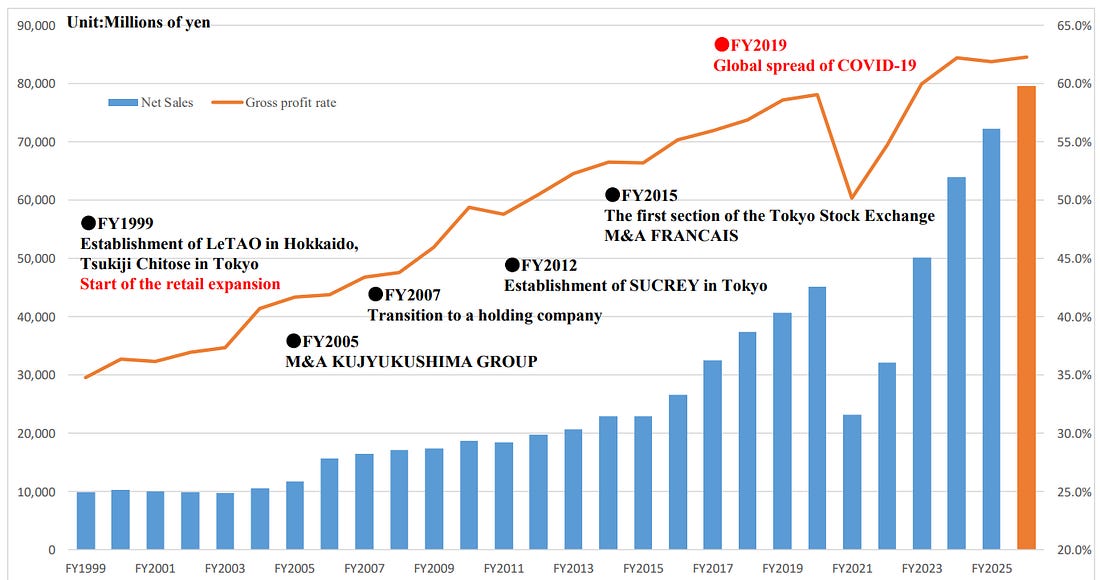
Disclaimer: The content on this website is for informational and educational purposes only and is not created to meet your personal financial situation. Nothing should be considered as investment advice or as a guarantee of profit. You are advised to consult with your financial advisors to discuss your investment options and whether it would be a suitable investment for your personal needs. The information used in this publication is from sources that are believed to be reliable but the accuracy cannot be guaranteed. It may include some errors, please make sure to do your due diligence. The opinions expressed are those of the author and the author only. These opinions are subject to change without prior notice. Here’s what Buffett once said about See’s Candies. “When we bought See’s Candies, we didn’t know the power of a good brand. Over time we just discovered that we could raise prices 10% a year and no one cared. Learning that changed Berkshire. It was really important.” “Guilt, guilt, guilt-guys are veering off the highway right and left. They won’t dare go home without a box of chocolates by the time we get through with them on our radio ads. So that Valentine’s Day is the biggest day. Can you imagine going home on Valentine’s Day- our See’s Candy is now $11 a pound thanks to my brilliance. And let’s say there is candy available at $6 a pound. Do you really want to walk in on Valentine’s Day and hand-she has all these positive images of See’s Candies over the years-and say, ‘Honey, this year I took the low bid.’ And hand her a box of candy. It just isn’t going to work. So in a sense, there is untapped pricing power-it is not price dependent.” This pretty much may just as well be the thesis for Kotobuki Spirits itself and we can actually just go home with that. Like See’s, the business growth is predicated on it’s ability to consistently raise prices. Something which has been quite unconventional in Japan until recently, through a long stretch of deflation. Yet, I also think this the last bastion of growth for businesses in Japan, and potentially the most important as we now enter inflation. Pricing isn’t quite the full story, though, and as you peel through the onion, we can find what makes this business exceptional. It’s going to be a case study of one of the most interesting companies I’ve followed. Not so much an investment idea I’m writing today, but highlighting an interesting, quintessentially Japanese company. It’s unique because their main strength comes from something hard to measure - their culture - but has created tremendous value through it. As a stock, it may be an interesting moment to take a look anyway, down almost 30% from its peak, and there are now fears over the slowing tourism due to the political spat between China. Perhaps an idea that is also more ‘inflation-proof’. (But again, I stress this isn’t a pitch!!). Kotobuki’s story is an unlikely story of success and resilience from a business that was set to fail. They’ve had so many setbacks since their founding: their factory burning down a mere 4 years after it was founded. Covid brought travel, a crucial opportunity for Kotobuki to sell their sweets, to a halt. As is often the case with companies run by the second or third generation, the current Chairman/CEO, the son of the founder, was close to driving this business to the ground. In 2003, it became a loss-making enterprise. If you’ve been in Japan, you’ll also see just how ruthlessly competitive the confectionery market is, which made it even more perilous. Yet, it took a change of heart, almost an enlightenment, by the current CEO to make it the business it is today, a business bigger and more successful one than what his father had left him. With the silver spoon he was given, he turned it into gold. Over the last 20 years, Kotobuki Spirits has grown their operating profits close to 20-fold and it’s stock is up an estimated 70-fold.* Today, their trailing 5-year revenue CAGR continues to be double digits despite being affected by Covid. They also now generate operating margins in excess of 20% and a Return on Invested Capital above 30%. For this write-up, I also read one of the books from the current CEO which helped me understand the ‘intangibles’ of the business, things that don’t quite show up in their IR material but are crucial to the business. Especially in terms of their exceptional culture, focusing on delighting the customer and creating loyal fans. In short, they’ve made an organisation of ‘go-getters’ that is “Anti-fragile” to meet this objective. This was unique, especially in the context of corporate Japan. I’m not sure if the book is available in English, so I hope this can provide you with a few more nuggets that you might not have known! I wanted to write about this also because it’s probably one of the few ‘See’s Candies’ like investments in the public markets, pretty much anywhere in the world (even though I haven’t quite looked abroad that seriously, lol). Especially as there isn’t as much public information available for Berkshire’s See’s Candies itself, this can be just as interesting for See’s enthusiasts to get a hint of the mechanics behind the premium sweets business through the lens of Kotobuki Spirits! This may be controversial, but I actually think in some aspects, Kotobuki Spirits is better than See’s Candies. (Sorry to my Berkshire fans!). Some of the factors are uniquely Japanese. Kotobuki embodies the best parts of Japanese culture I’m proud of, meaning, the endless pursuit of excellence and their craftsmen-like intensity in what they do, even at this scale today. That’s also led to their singular focus on delivering an exceptional customer experience, which has helped build this business to what it is today. They also remind us that special companies can exist outside of the major metropoles, in areas less travelled. Weirdly, even though it’s a completely different category, it’s not too dissimilar to Japan Eyewear Holdings, which I wrote about a year ago! To be totally clear, I want to make sure not to create a ‘myth’ around a great company and make sure to highlight some of the downsides or concerns that came up as well. It’s become pretty long so I’ve split it into 2 parts. *Estimate based on 2005 filings and 3 previous stock splits ****************Warning: You may get a little hungry after reading**************** The Business
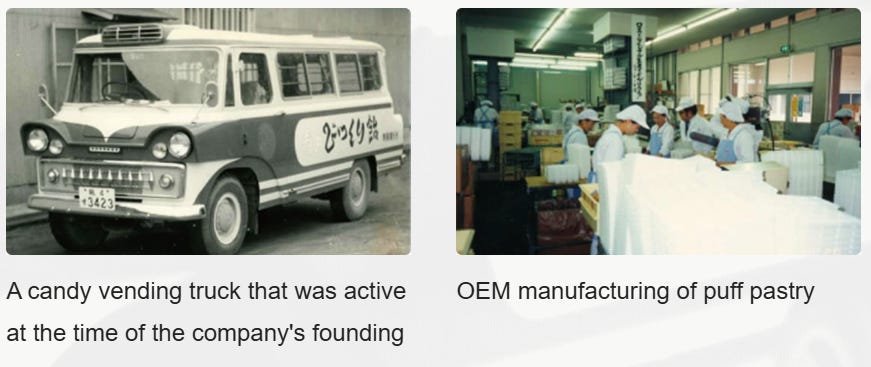
History Hailing from the city of Yonago in the prefecture of Tottori. The origins of the company can be traced back to 1952 when the founder Shoichi Kawagoe started “Kotobuki Seika” which started by making caramel and candies. The idea of their premium strategy started early, and the company started making Souvenir Gift sweets already in 1959. Mainly selling Omiyage (Japanese for Souvenirs) in regional areas. Over time, they’ve transitioned from an OEM producer to a wholesaler of Omiyage and eventually became a fully integrated retailer. Selling at train stations, department stores and airports. What’s important here is that they’ve got a long history and experience across the entire supply chain from production to sales. Their experience as an OEM manufacturer, for instance, has taught them how to make small/medium-sized batches efficiently.
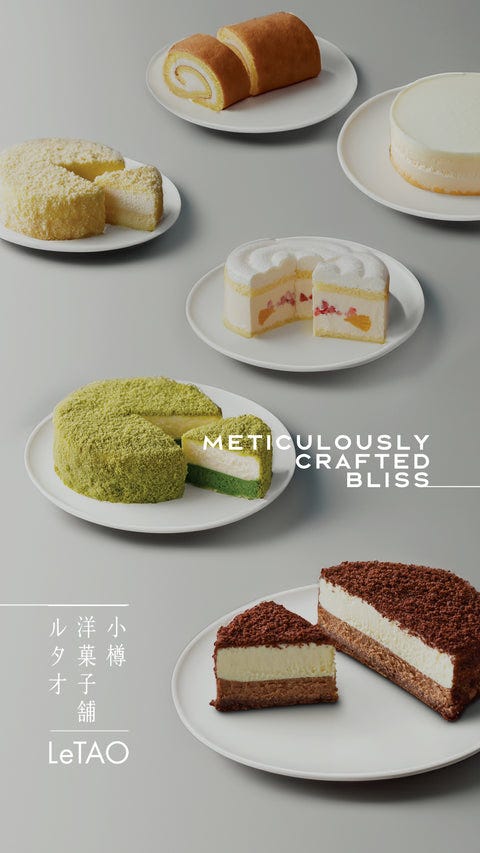
Today, Kotobuki Spirits has become one of the most successful Premium Sweets businesses to come out of Japan, with the main selling opportunity being in ‘gifting’ purposes. Nowadays, they continue to focus on rolling out regionally exclusive ‘Chiiki Gentei’ sweets and seasonal gifts. It's also been enjoying strong growth through inbound tourism.
The business model is relatively simple here: the company produces and sells premium gift sweets at a high price point = high margin. Kotobuki is positioned in such a way that the company can command pricing power for their products without compromise. Thanks to their high-end, ‘gift’ positioning. These are expensive, but high-quality confectionery. Those that are typically unique and others don’t sell. The management has been extremely good at protecting their margin through deliberate positioning and strategic choices. This is not as easy as it sounds. The key to understanding their pricing power is their competitive advantage, which in turn comes from their culture. Kotobuki has demonstrated their business has been remarkably resilient through the years. Whilst COVID physically stopped them from selling at stores, in times like the 2008 Crisis, sales went unaffected. Their stronger brands continued to grow 20-30% in the period.
It’s also an asset-light business
In a similar vein, Kotobuki has been able to stay relatively asset-light. Over the last 10 years their capex as a percentage of sales has averaged just 3.4%. Mind you this business is still continuing to grow double digits. The maintenance capex is likely much less. This has also led the business to generate operating margins in excess of 20%. Importantly, they earn returns well in excess of their capex investment, resulting in a ROIC of above 30%. Part of the reason they’re able to command such a high margin because the main reason customers buy Kotobuki’s product is for gifting, a practice that is huge in Japan. To get a feel for the ‘spirit’ of gifting in Japan, it’s worth looking at their website! [Here] Whilst gifting is a special use case, the addressable market for Japanese Confectioneries (wagashi), Western Confectioneries (Yōgashi) and desserts is estimated to be worth ¥2.4trillion ($370bn) according to Yano research. Separately, the personal gift market is said to be worth ¥5.5trillion! Add formal and corporate gifting to that and the market is over ¥10 trillion. So the market is large. When we specifically look at the confectionaries market, it’s a mature market growing low single digit and notoriously competitive. Just walk through Tokyo Station and you will just see just how many makers there are competing for your attention and wallet. (There’s around 150 outlets in Tokyo station alone…) Growth Drivers What was great to see was that the CEO has well-defined growth levers - and 2 main avenues for growth. These are pretty straightforward. “Main” Growth: Growing through existing brands
“New” Growth:
One thing here that I felt is a key difference to See’s was Kotobuki’s ability to develop new brands. This is what Buffett said about re-investment opportunities for See’s.
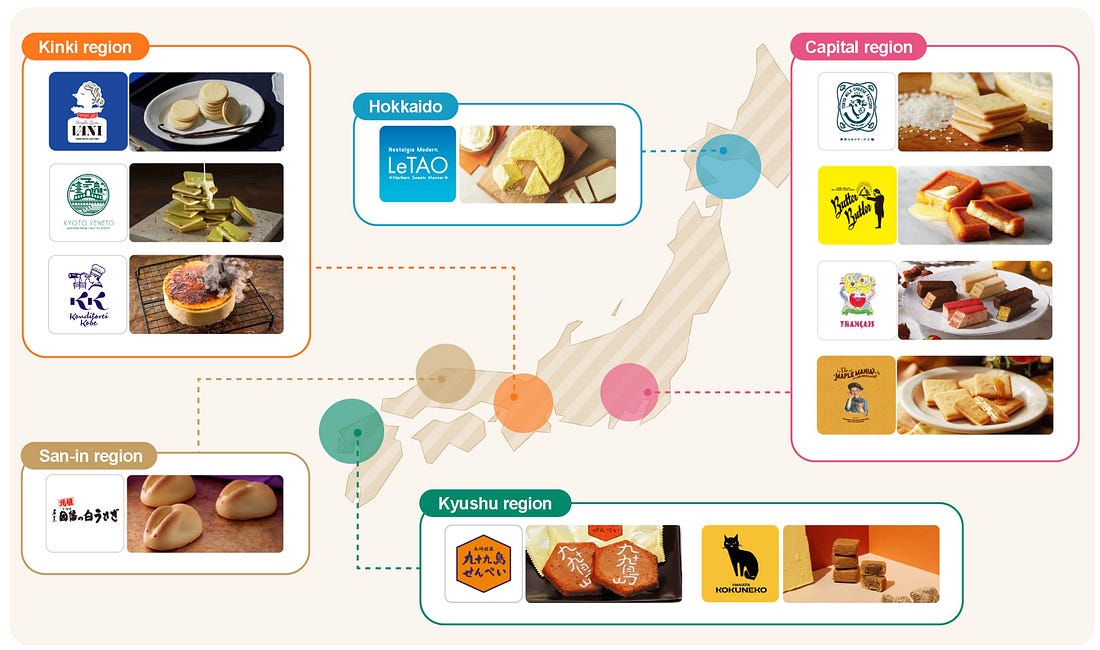
What Kotobuki has managed to do is that not only have they been able to successfully scale their ‘heritage’ brands, but have also been able to successfully spawn novel brands which are able to maintain a high price point. Today, the firm has a whopping 47 brands.
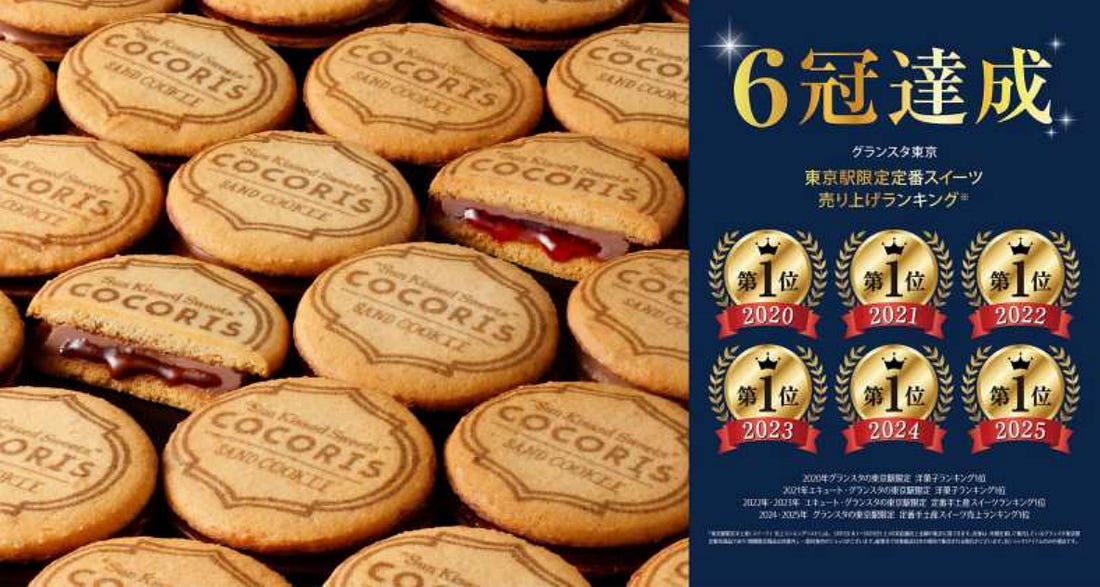
The point being, Kotobuki found the 51st way to reinvest in their business - to create new premium brands - which adds a growth lever that See’s may not have had. Having a portfolio of brands provides some diversification in terms of reputational/brand equity risk. I also think the HUGE benefit they have from this is that they can develop new products which may be a bit ‘out there’ (i.e. could go straight to the bin) without having to damage their existing brands. What’s impressive here is that this usually results in ‘diworsification’ of returns, as brands may dilute the overall return profile. But the numbers say otherwise. Although I’m sure there’s some kind of 80/20 principle at play, they’ve clearly demonstrated that they have the ability to create new brands successfully. So what’s their competitive advantage? Tokyo Station, for gift confectioners, is a microcosm of the competition that occurs throughout Japan. Home to several metro, train and Shinkansen (bullet train) lines, it has some of the highest traffic in Japan. Making it fertile ground to become one of the most competitive areas for Gift sweets in Japan. As the CEO talks about an interesting heuristic: “who wins in Tokyo station, wins in Japan”. And one of their brands Cocoris, did just that. After Covid, they became the number one store by sales within a year of opening their doors. This wasn’t just because the product tasted good, it’s also thanks to the store manager and the staff, who implemented a ‘100 strategies’ to reach their personal goal to be the number 1 store in Tokyo Station.
They pulled every marketing trick in the book and then some, which may have been unconventional at the time. Funnily, it also confirms a suspicion I’ve had every time I walk through Tokyo station. One of their ‘tools’ to make passersby stop is to market it as if they have limited stock and they just received a new batch. (Did I fall for it? I’ll let you decide…) There’s been countless other things they’ve done to make it work. Being “number one in Japan by proxy”, surely they have something special going on. The natural question to ask is what on earth allows them to keep growing like this while generating a gross margin of more than 60% on…. cookies and cakes?? If you asked the CEO today, he’d probably say there isn’t much differentiation with competitors. Which he also said in the book. (okay, maybe he’s exaggerating a little here). Clearly, they can put up such numbers because of their premium price points. Which consequently comes from 2 unique advantages: Branding and Product Quality. But this doesn’t quite do justice in explaining what actually powers these ‘moats’. Underpinning all this success is their culture. Which, in my eyes, is the true advantage that others will struggle to replicate. This is what results in wow-ing their customers to create die-hard fans. Kotobuki’s Culture
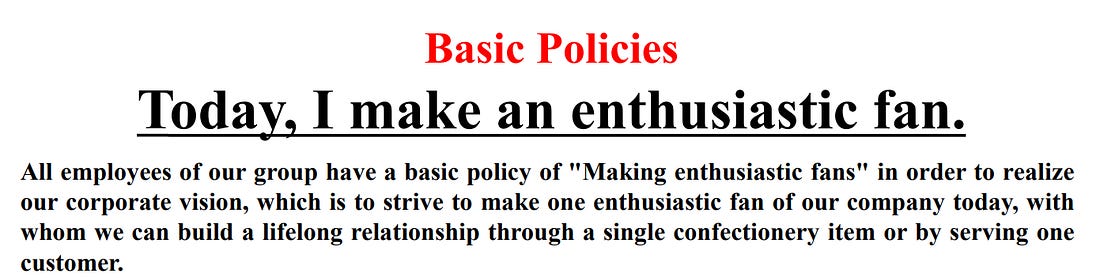
Ultimately, what they’ve created for themselves is an organisation full of people who are purpose-driven, “To create enthusiastic fans” with an attitude to “figure it out” when they hit a problem. What really stood out here is how strongly employees embodied Kotobuki’s Spirit (Pun intended, I know, it’s pretty good) with almost a cult like intensity. In a nutshell, this business has created somewhat of an ‘anti-fragile’ culture, by giving agency to those closest to the customer, a positive sum mentality and an endless pursuit of craftmanlike excellence. This is also evident in the CEO’s book. Instead of him talking about how the business works throughout, he focuses on featuring countless employee stories of how each individual overcame their challenges. I would say this easily consisted 30-40% of the book. It’s not just ‘one thing’ that stands out. Sure, it is a ‘decentralised’ business in some sense as would be music to many ears, but also so much more. One I really like was their culture of ‘positive sum thinking’ Positive Sum Games A key tenet of the Kotobuki Philosophy was “Making yourself happy by making others happy.” (他幸生自幸 - the firm invented this term). It shows their culture isn’t just about serving the customers but their business partners, too. One of my favourite ‘on the ground’ stories shared in the book was the story of when the company had to find a new ice pack supplier. Some products require lower temperatures for storage. During Covid as things had gotten tough, their existing ice pack supplier was raising prices, and Kotobuki unfortunately, had to consider other options. The team responsible for sourcing made more than twenty calls to different suppliers. One ultimately said yes, even as this was going to be loss-making for this new supplier. They wanted to do this because an association with Kotobuki Spirits would provide credibility for them. This actually didn’t sit well with Kotobuki’s employees, knowing their benefit came at the supplier’s expense. So instead, they reverted back and tried to help figure out a way to reduce the suppliers’ cost to help them stay profitable even with these terms. Crucially, this wasn’t because the CEO said so, the manager and his team did this of their own accord. Pouring through all the line items of the supplier’s P&L, they figured out a way to reduce costs in the cardboard boxes and films used for the ice packs. Kotobuki then contacted their own suppliers to ask if they could work with their new ice pack supplier. As a result, they found a way for the ice pack supplier to profitably work with Kotobuki whilst bringing new business for their existing suppliers. Win, Win, Win. In the end, it’s positive-sum thinking that’s also beneficial long term. It helped create an ecosystem of sustainable business relationships. Had they not, Kotobuki might’ve had to find a new supplier a few years later. Now, I don’t know about you, but I don’t think I’ve ever come across such a business relationship! The genesis of Kotobuki’s culture can be traced back to the founder, who created and defined the core principles of Kotobuki spirits. They have even created “kotobuki-isms” - language and expressions that they would use internally (but may be received with a “WTF” externally)
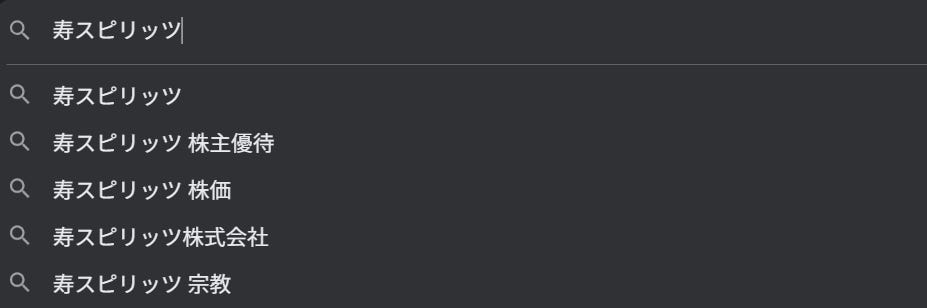
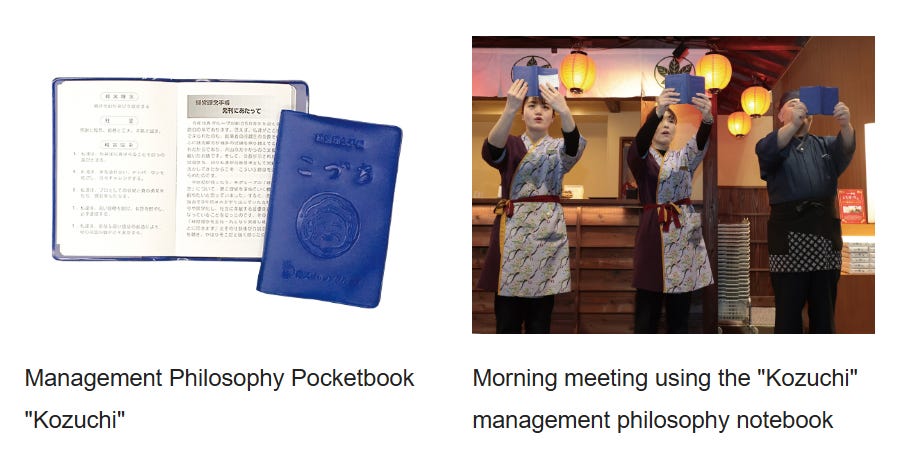
It’s funny because when I type Kotobuki Spirits (寿スピリッツ) on google, in it’s search suggestions I get Kotobuki Spirits - Religion, (寿スピリッツ宗教)which basically insinuates that it’s a cult. When I glanced through Open Work (the glassdoor of Japan) some former employees also mentioned this. To add to this imagery, the company has a Management Philosophy Bible, the ‘Kozuchi’ (こづち), which employees are asked to carry at all times. The company has a morning assembly, mid-day assembly and an evening assembly. (Although I’m not sure if this is done group-wide). Some stories from employees retell their experiences of hardship and how reading the holy bible, ahem, I mean the Kozuchi over has helped them find a solution. They found their sweets god. So yeah… a religion of sorts. But maybe this portrayal is a little unfair and has an air of stigma…
Example of Kotobuki-isms.
Notice that these principles existed even before the current CEO. As this was created by his father, the founder, Shoichi Kawagoe. Kotobuki’s current CEO, Seigo Kawagoe, was a second-gen - and he made all the mistakes a ‘nepotism’ CEO would make. When he initially took over, he strongly believed in top-down management. If the top management does well, the whole company will do well. A far too common approach taken in many Japanese firms. This was far from the truth, and the business continued to struggle. It’s also a lesson that just because the management philosophy sounds great, it doesn’t mean anything unless you embody it. Much like the misinterpretation of religious scripture. The company finally went into the red in 2003. At 41 he needed a change. The incredible thing though, is how it became the turning point for Seigo-san, who found something of a religious enlightenment. He turned the entire organisation around and made the business and culture stronger than ever. It’s become the ‘Source code’ of how business is done at the firm today. Cho-genba-shugi (超現場主義) Despite its success, growing earnings at a tremendous rate with gross and operating margins now exceeding 60% and 20% respectively. The CEO believes that Kotobuki doesn’t have a management strategy or stable earnings, or even patents or technology that help differentiate against competitors. He believes the main ‘secret ingredient’ is in their religious practice of an “Ultra on the ground approach with EVERYONE participating” called Cho-genba-shugi (超現場主義). A structure that embraces decentralisation. Meaning that each and every individual is responsible for important decisions that permeate through the entire firm. What he realised was that the prevailing top-down management structure didn’t help unleash employees’ true potential. Employees were simply told what to do, but they didn’t grow beyond that. It’s not that these employees were talentless, but were in an environment they could not express their capabilities. This was also terrible long-term because employees who don’t feel like they’re growing were less likely to stay on. Most Japanese companies are honbu shugi (本部主義)- which means top-down. Management decides, the rest follows orders, which the CEO now realises didn’t create any independent thinking from his people. I liked this very specific example the CEO shared using an airline. An interesting example of a ‘top-down’ problem (loosely translated):
The missing piece in this cultural puzzle came from KDDI and Kyocera’s founder, Kazuo Inamori, who invented the concept of Amoeba Management. This is a business management method which divides a large org into small autonomous units called “amoebas”, each serving as its individual profit center and thereby enabling employees to think for themselves. Seigo-san learnt directly from one of Inamori-san’s management schools and credits their success to this very concept. Kyocera’s website shares how this works [here]. This was their founding pillar for their cho-genba-shugi. Similar to Kyocera’s principle of “Management by all”. Each store is one amoeba. Where people on the ground are given responsibility from day one. They know best about what’s needed. Each unit’s leader (a store manager for example) decision is prioritised the most. The management expects the people on the ground to think, decide and execute. This framework, alongside Kotobuki’s operating philosophy, has given them adaptability and mentality to find opportunities in setbacks. Though the word ‘decentralised’ has been the hymn to a quality investor’s paradise. I honestly think it’s more nuanced, and the term may not sufficiently reflect what actually happens. The CEO makes clear that this is NOT to be confused with absolute delegation or pandering to those on the ground. The big picture strategy is still determined by the management and the CEO of each subsidiary. Based on this directive, every individual is given the freedom to execute to achieve this. Thus, management still provides guardrails. A good example is that no matter what, you are not allowed to discount the products, as it may hurt the brand. The management is responsible for thinking about the business 5 -10 years ahead and the strategy for that. The people on the ground are given the freedom to work on the details to realise that long-term strategy. It’s top-down AND bottom up. The long-term benefit of this is immense. As the CEO says, schools teach you to ‘find the answer’, a binary outcome and a result of memorisation. A habit that most of us have ingrained in us. But this may not work in real life. Rather believe in the importance of thinking for yourself and ‘creating’ an answer. The company ultimately built an organisation where everyone can think for themselves. Rather than just blindly take on orders. Colleagues and managers, regardless of rank, keep asking each other “What do YOU think?” Giving such responsibilities has helped these employees get management training even in positions where they normally wouldn’t. It also provides a huge long-term benefit for the firm, as the overall quality of their employees is constantly evolving and they are more likely to stay on. Communication between divisions and entities Another huge benefit of this structure was information sharing. Through this structure, Kotobuki became a tinkering machine. Instead of the feedback loop happening at the management level, iterations were occurring at the ground level. A decision by management may take long to receive feedback and to correct course. These can lead to ‘big mistakes’ that impact the entire organisation. Now, literally everyone was making ‘small mistakes’. These are small independent decisions, making the feedback loops shorter and more frequent. This is valuable because improvements to the business occur much faster, and the downside risk is limited to a single unit. On the other side, success cases in one division or one team were shared frequently throughout the entire organisation. First, information is shared within each subsidiary across stores and individual ‘amoebas’. Followed by a monthly gathering of the management of all subsidiaries. They award the top performer of the month - and also try to analyse how the store manager achieved this and understand why it worked. The important part is that management doesn’t force the individual units to adopt what they learnt, but instead to think for themselves and to adapt a certain strategy if it makes sense. From what I understood, each unit also needs to think of KPIs themselves. One interesting KPI the production division uses is Profit per hour (Or Return on Time)
This framework gave each unit three variables they can work on to maximise their profit per hour: 1) make more 2) reduce costs 3)reduce hours spent. This encourages the factory employees to think about the value created per hour spent If Kotobuki’s business philosophy was the rocket, Amoeba Management was the rocket fuel. Kotobuki has found their unique success because they were able to synthesise the amoeba management framework with their business philosophy. Without either, it wouldn’t have been possible. What also stood out is their endless pursuit of excellence or more so, an endless evolution. This attitude turns setbacks into opportunities - it seems to be at the very core of how they operate. At the firm, they call this “Being lucky” as an opportunity to evolve and do something better. The CEO encourages everyone to think about how to make the product better than yesterday and to keep trying different things. In this pursuit, he wants them to try newly released product from competitors. Not when it’s already popular, but before it becomes popular. To study it and to understand why it may be successful. This was regardless of where you are on the org chart, whether you’re in logistics, sales, or production. Everyone was encouraged to use their 5 senses at work. This is how you develop and improve your taste for the product Kotobuki makes, and to truly improve what’s being made. This brings us back to their 2 main competitive advantages fuelled by this culture: Branding and Product Quality. Branding -A thousand true fans- Okay well, it’s not exactly a thousand true fans like Kevin Kelly would say but rather hundreds of thousands. But in the context of consumer brands this is quite small. Kotobuki has been upfront with the idea that they don’t need a 100 million customers. This would encourage them to make something everyone likes, which also discourages the creation of unique products. If they can start with a several thousand, that’s fine with them. For that to work, they’ve instead needed an intense focus on absolute quality and a product that can’t be created anywhere else. The management is also certainly aware of the importance of branding and focuses on the playbook that many successful luxury companies have done, and less so by other confectionery makers (A notable exception may be Toraya - which I can confirm is great). Firstly, Kotobuki is highly selective about retail outlets. When Cocoris became number 1 in Gransta Tokyo Station, there was demand to open stores in other stations. What the company had to be careful about here was not to open too many stores, being available everywhere makes it much less exclusive. So they limited the number of stores. They create a perception of “hard to get”. Some products are literally “Hard to get”. Especially their Chiiki Gentei(地域限定)sweets. Which means it’s only available in a particular region. Thus making it ideal for souvenir gifts and creating exclusivity. They also never discount their product and sell through general supermarkets and discount stores, even if this undermines their revenue. They did this even as Covid hit. Whilst many competitors were trying to rid of their inventory as the shutdown occurred through discounting. This is something Kotobuki refused to do; they took the short-term pain in order to avoid damaging their brand equity. Instead, they donated this to the medical staff and children! Their daily practice of tinkering with their in-store sales method has also led to their continued success. A few interesting examples:
There are countless others, but this gives a taste of their craftiness when it comes to selling. In the end, these small incremental efforts add up to their success. Their product positioning as a premium ‘gift’ is important too. Although some customers now buy their products for themselves today, still a significant portion come from customers purchasing their products to gift others. Especially as souvenirs. This is important because it’s also a reason why they can price their products so high with such high gross margins. Nobody likes to buy cheap gifts for others. Arguably, this has become even more pronounced because of the internet. Now, anybody can look up how much the gift was. So you can easily imagine, when you gift your significant other something as a show of appreciation, but it turns out it costs less than $5 she might think “what the f*** is that supposed to mean?!”. You get the point. (Like the quote on See’s I shared at the beginning, except Buffett was less crude). Beyond souvenir gifting, the occasions can be various. There are the traditional gifting seasons like Valentine’s day, Christmas (yeah we love that too) etc. But may I remind you, Japan gifts ALOT. I think maybe more than other countries, although I’m not entirely sure. Take for example, White Day, which happens on the 14th of March. This is when men reciprocate and gets a gift to the person (or persons??) they’ve received a gift on Valentine’s day… As you can see This is just one example! We love to find every occasion to celebrate or show appreciation.
Here’s where Kotobuki’s ‘go-getter’ mentality shines. From simply relying on, and thinking this is a “seasonal” business based on special ‘events’ and occasions. Rather, they’re flipping that script by trying to make more ‘special occasions”. This is the core of how they think and how they find new opportunities that others miss.
The important part is that it’s not just expensive, but the product is actually great. But before we get into that, it’s getting long so let’s wrap it up here for now. We’ll continue the rest in part 2, where I discuss more about how their culture shines in specific areas like pricing and their relentless pursuit of quality, and why this can be good business. I’ll also talk more about why I think they’ve been surprisingly good capital allocators. Hope you enjoyed this dive into Kotobuki so far, till next time! Disclaimer: The content on this website is for informational and educational purposes only and is not created to meet your personal financial situation. Nothing should be considered as investment advice or as a guarantee of profit. You are advised to consult with your financial advisors to discuss your investment options and whether it would be a suitable investment for your personal needs. The information used in this publication is from sources that are believed to be reliable but the accuracy cannot be guaranteed. It may include some errors, please make sure to do your due diligence. The opinions expressed are those of the author and the author only. These opinions are subject to change without prior notice. You’re currently a free subscriber to Made In Japan. For the full experience, upgrade your subscription. Your support will help the continuity of new ideas and content!
|
Saturday, December 13, 2025
Kotobuki Spirits: The See's Candies of Japan




Subscribe to:
Post Comments (Atom)
No comments:
Post a Comment