Unique channels for idea generation in JapanAlternate idea generation channels for value, growth and everything in between
Bonus Content: Scroll to the bottom! Disclaimer: The content on this website is for informational and educational purposes only and is not created to meet your personal financial situation. Nothing should be considered as investment advice or as a guarantee of profit. You are advised to consult with your financial advisors to discuss your investment options and whether it would be a suitable investment for your personal needs. The information used in this publication is from sources that are believed to be reliable but the accuracy cannot be guaranteed. It may include some errors, please make sure to do your due diligence. The opinions expressed are those of the author and the author only. These opinions are subject to change without prior notice. Disclosure: The author may own shares in companies mentioned in this article as of 15 October 2025. The security could be sold at any point in time without prior notice. This is going to be a little different to the usual type of post I write. Over time, talking to other investors it’s made me realize that whilst everyone is interested in Japan as an investment opportunity, many don’t know where to start. Many of these companies are cheap and the opportunity set can be overwhelming. Questions start emerging like with so many cheap stocks, how do I optimise for the best outcome? time it takes to reach fair value? i.e. whats’s the catalyst? I’ve previously shared my favorite tools for researching Japan but this doesn’t quite cover just how you actually find ideas - only what to do once you find one. I believe the best part about the Japanese stock market, IMO is that you can really find investment opportunities across the spectrum of value to growth - and there are specific ways in which you can try and find an idea that fits a certain style. Sure, maybe a traditional screen may work but some might be less obvious or immediate. Whether it’s to look for a massive value unlock from a cash-rich balance sheet, a potential take-private or simply just a great business that’s growing but is overlooked. So today I thought I’d share a couple of ways to generate ideas that are suitable for opportunities in Japan. Some of these I’m aware are applicable globally, but others are ways you can uniquely find ideas in Japan. (Other than from my Substack and X, lol). I’m glad I finally wrote about this as it’s the kind of list I wish I had earlier myself, so I hope you find it helpful too. At the end I’ll share examples of ideas I found through these screens. What I’ll cover is simple:
1. Regulatory Filings/Change in HoldingsThis is a more typical way of finding ideas pretty much anywhere in the world. I think for the reader, you’d be interested in the who that’s reported a change in holdings. This can be funds, corporates and even individuals. I’m especially curious here when a listed peer is acquiring shares of a company. Whilst so far it’s been a mixed bag in terms of success, some companies have attempted a takeover - this could lead to a potentially lucrative outcome. A recent successful example this year was when Rakus $3923.JP had shares in KaoNavi, in retrospect it appears that they were in a bidding race to acquire them but eventually Carlyle won out. Nonetheless, investors in Kaonavi walked away with a big premium. Following funds Like in many other countries, there are funds worth following and just as much as anywhere else in the world you can find different types of funds with different styles that may match what you’re looking for. It’s also interesting when a fund is selling. Another less obvious idea coming from funds, and harder to figure out, is when a certain fund is seeing large client redemptions. This can be interesting, especially if such a fund has a high exposure to illiquid small caps, where they have no choice but to sell and effectively become distressed sellers. Such an action can have an outsized (and usually temporary) dislocation in the price of certain names that has nothing to do with fundamentals. Again, this is a little trickier to figure out, but one way I try to is to see when a fund is selling down multiple stocks in their filings, and you can always check if their AUM has shrunk over that period. Sometimes I’m lucky and I hear about redemptions from someone else. Here are some funds I like to follow based on what they own: Growth/Quality Investments:
Engagement or activist-focused strategies: There are also the activist whom with which you can coattail. Whilst the success of each campaign may not be 100% hit rate (Nothing is) this provides you an opportunity to an investment which you wouldn’t be able to do otherwise - i.e. run a campaign. Activism is HARD for all sorts of practical reasons so to be able to have activist investors do the legwork is an incredible opportunity for investors. Furthermore, whilst the stock might move up initially when an activist reports their ownership, I wouldn’t be discouraged, as what many set out to do is make significant changes to a company’s fundamentals (B/S and P/L alike) and if it succeeds, it should provide way more upside than the initial ‘pop’.
There are quite a few other new upcoming activists and I’m aware I haven’t covered all of them here. I would remark that generally activist/engagement funds tend to focus more on the value (high net cash ratio) stocks. Which makes sense because such funds are actively working to unlock that value. Of this the Kaihou fund is run by Imura-san and Takeiri-san. Their engagement style is somewhat unique but highly dedicated. Whilst they’ve only launched this year, Imura-san as an individual investor has already left an astonishing track record. Note that they do not disclose their holdings in their investor reporting. However, their holdings occasionally pop up filed under the company ‘Fundnote’ This is because Imura-san and Takeiri-san is technically a fund advisor, who ‘advises’ the fund run by Fundnote. A key distinction with engagement funds and activism is the nature of the interaction between the investor and company. Engagement offers an opportunity for companies and funds to build a relationship with one another to find where interests may align. In doing so the successful funds are able to build trust and provide suggestions to improve corporate value. Not just on the balance sheet but potentially on strategy as well. Activism is, by definition, more aggressive. These would be the funds that both privately and publicly call out management of companies on the misuse of shareholder capital. The key distinction being that such funds will attempt Neither is better or worse - and I think it ultimately comes down to the fact that different situations require a different set of strategies. I’m aware I’ve likely missed some other funds worth following, and as I write this I realized I should make a separate post sometime on all the investors I like to follow. (Stay tuned..) And then theres Hikari Tsushin, often touted as the “Berkshire of Japan”. I wrote about them extensively in the past. (Part 1 & Part 2). Why I like them as investors is because of the strong alignment with what foreign investors tend to like and their track record for making money. Over the last 8 years they’ve generated a gross pre-tax IRR of 18%, which is impressive given they have more than 700 stocks in the portfolio. As I’ve already written about their methods in part 2 of the Hikari write-up, I’ll keep it short. Hikari likes to buy companies with a history of consistent profitability, a strong balance sheet, a high proportion of predictable, recurring revenues, and companies that you can immediately say is cheap based on their valuation. Typically, they avoid companies that have declining FCF or growth. Hikari Tsushin happily invests in illiquid stocks and with no limit on how much it can hold. What this means to an investor is that HIkari could provide outsized pressure for certain stocks to go up. Thus, if you can identify which stocks Hikari is likely to buy more of early, this can also provide you with opportunities. Specifically for Hikari, you can go to sites like IR Bank to get a list (here). Another reason why Hikari is interesting is that they themselves can be the catalyst. Some businesses may not like having them as shareholders and may initiate buybacks or other value-enhancing strategies. Some may reactively do an MBO. In any scenario, Hikari wins, and if you’re early the investor also wins. For these changes in holdings, there are multiple sites you can use, or simply follow the reporting from the funds themselves.The good part here is that such fund reports will include names that don’t need a regulatory filing. Another way is to look at the daily updates for regulatory filings, like here: https://ufocatch.com/a8/ and find something that’s interesting for yourself. 2. Following Japanese super investorsOften, some of the most interesting opportunities are in micro/small caps where it may be too small or illiquid for funds to invest. So it’s also worth taking a peek at what some of the major individual investors are holding. I’m not talking about just any person, but the investors who have reached success through investing in such things. And they’re really good. Some of them continue to invest a large part of their wealth in such stocks, and often require them to file a 5% ownership report. Investors in this category may include people like Gomi Daisuke. In the 90s-00s Gomi-san started investing his pocket money during middle school, worth 10mn. By university, this had grown to 600mn. Today he is said to be worth more than 30bn!! Whilst he seems to own quite a few different stocks today, much of his wealth appears to be concentrated in his top 5 positions. Which is why he sometimes shows up in regulatory filings as a 5%+ owner. He seems to be quite a private person and doesn’t share much about his personal life, but the crazy part is that he’s rumored to be a “part-time’’ investor and holds a full-time job! You can follow his holdings (here). The second person is Katayama-san, who goes by the account name Gogatsu, meaning May in Japanese. He has found some incredible winners and built his wealth mostly through stocks. One of his recent successes includes his investment in SBI Sumishin, a NEO bank which got taken out at a massive premium. Whilst he seems to focus on more mid-large caps these days and therefore does not need to file his holdings, he may occasionally file for smaller holdings. You can find his holdings (here). Once in a while, an executive of a public company may also report ownership of another company other than himself. This can also be interesting. 3. Buyback alertsIn my experience, it’s one thing to promise to improve a company’s ROE/Balance Sheet but it’s another thing to actually deliver. One of my biggest reluctances with net-nets has been that some talk a good game but at least for now, are limiting themselves to lip service to shut investors up. There are companies that do a buyback for a grand total of…1% of shares outstanding. In other words, “we’ll do this buyback thing for now, because everyone’s doing it, but I can’t promise what we’ll do after”. This becomes immediately evident when you actually speak to these companies, despite their initiatives looking good on paper, some don’t have a darn clue about the logic of buying back shares, or ROE or whatever along those lines. However, there are also companies that are fantastic students, and truly looking to learn and do better for shareholders. Ultimately, it’s worth looking at who’s walking the walk. To do that, you can look at websites that share which companies have announced a buyback, and gets updated on a daily basis. You can find a daily updated list from websites like https://toushi-radar.com/jisya for this. This can be a little overwhelming because there’s several companies reporting each day. But over time, you may recognize some of the names you previously looked at announcing buybacks. 4. The Kiyohara methodI’ve discussed this before on twitter and on here before in my book summary on Kiyohara-san. For those who don’t know about him, he’s the hedge fund legend who compounded at 20% for over 25 years in Japan when the index was basically flat. I wrote about him here and here.) The great thing about the hedge fund legend Kiyohara-san, is that he’s been a complete open book since he retired. He’s kindly even shared how he screens for ideas on the Japan company handbook in an article, which I also tweeted about. What he looks for are companies that have a high ratio of net cash as a % of market cap . If I tried to describe his strategy in one sentence: Kiyohara-san was looking for cheap companies (typically high net cash) that were priced for zero growth but actually had the willingness and potential to grow much more. Here’s a summary of how he screens for ideas on the Japan Company Handbook: P/E Ratio: He is willing to consider investing with varying levels of PE multiples depending on the business (which mostly comes down to quality, keep in mind this is a broad brush and I’m sure there’s been exceptions) think of these as thresholds depending on the quality of the company
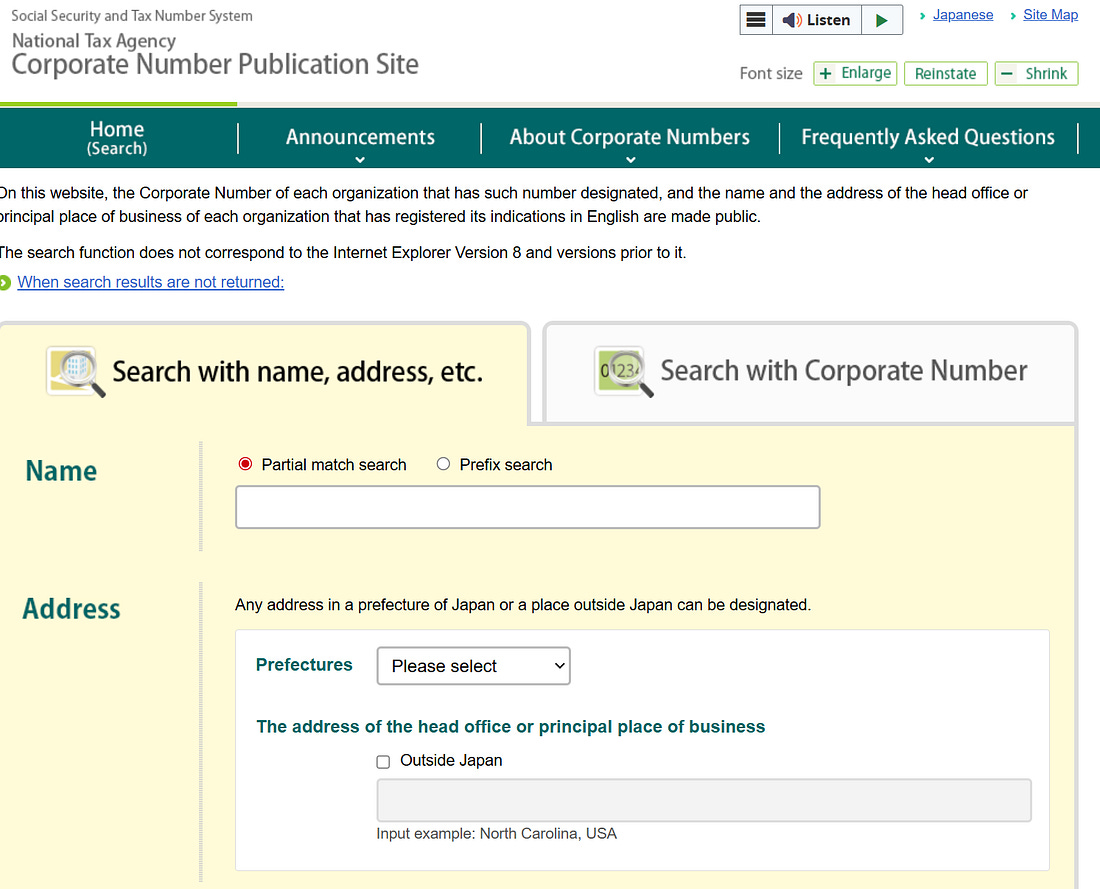
Forecasts: He also looked at what the publisher forecasted. This can be a useful proxy for consensus estimates, as typically the small companies have zero broker coverage, and many retail investors will also rely on what the Japan Company Handbook. However, rather than this year’s forecast, he puts more importance on looking at the 2nd-year forecasts. He believes that the stock will tend to reflect next year’s forecast. Also note that he would look at the P/E Ratio based on the 2nd year as well. Major Shareholders: Understanding who the largest shareholders are is important. Not only to determine what makes it a good company but to figure out if it makes it a good stock. He especially focuses on how much the founder and the founder’s family owns. This goes back to what was discussed earlier but there is a huge inheritance tax involved when the founder/owner dies. Which the beneficiary of the estate will have to pay for. This in turn becomes a reason for the stock price to move i.e. they might have to sell shares to raise cash on the open market, becoming a huge overhang. However, they might get the company to repurchase the share if cheap, which in turn means it could actually be a positive! So entirely dependent on the situation. I think it’s all to say that your shareholder base matters - especially if the liquidity of such stocks are limited, a large shareholder could make an outsized impact on the stock. This can be both a risk and an opportunity. Equity ratio and market cap: Pretty vanilla here but making sure the company has enough of a cushion to avoid any kind of shareholder dilution. This will start to matter even more in a downturn. He also looks at the market cap to calculate the ‘net cash ratio’ which is simply net cash/ Market cap. Share issuance and capital structure: Looks if a company has issued equity for financing in the past. Generally looking for good cash flow management, if they have been issuing shares it’s not ruled out immediately but needs to be noted. There could also be an issue with governance. What he ignores: Theres plenty more information but for him, he believes you can ignore everything else. (dividend, price chart etc) What I like about him sharing this is just how much ‘fluff’ he just kinda tunes out when reading the company handbook. 5. Finding Takeout targetsAnother thing to accept is the idea that with the tightening restrictions to remain listed as guided by the Tokyo Stock Exchange (TSE), we could continue to see further names being taken private. This means investors could benefit from the premium upon acquisition. The buyers of such companies can really depend but it could be Private Equity funds, Corporates or the owners themselves. For each, there could be different ways to look for potential candidates. Checking the corporate registration number database Ok this is a little bit more on hard mode but I thought I’ll post it because it’s interesting. In Japan, the National Tax Agency runs a database where you can find individual entities that have been established. The sleuths in the Japanese investing community use this to type in addresses of PE funds for example to see if they’ve established a new entity under the same address. Typically, PE funds use this entity as a vehicle to acquire something. This has been an interesting opportunity to identify what companies might potentially get taken private.
Specifically for KKR they provide a ‘hint’ on the target by using the initials of the target company as the incorporated name of an SPC. Although increasingly this is known by the market and KKR actually may put something else just to f*** with you. Nonetheless, if you type KKRs’ Japan office address, you’ll see multiple entities formed. If a new one appears, it’s interesting.
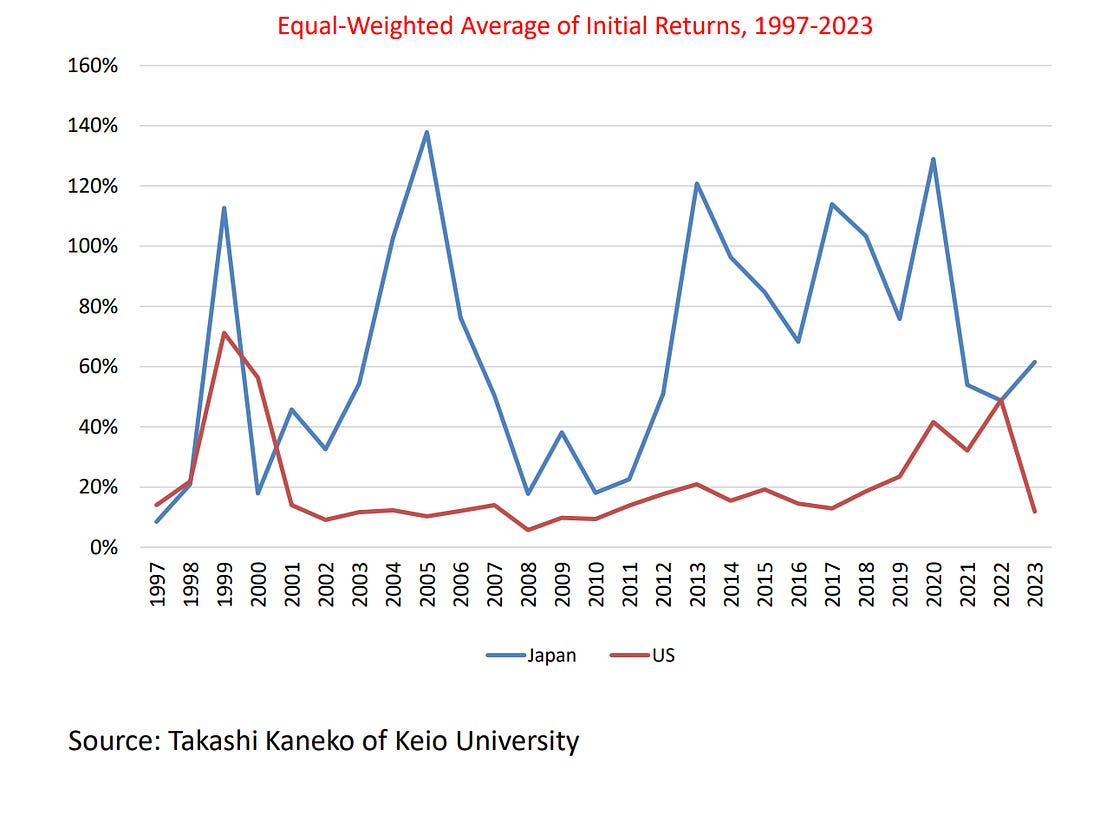
Similarly, you may also see that Founders/CEO’s may telegraph an MBO by seeing whether they’ve set up a new shell entity under their residential/corporate address. When this happens, there is a likelihood that the founder may commit to an MBO in the near future. MBOs typically are done at a pretty abysmal valuation so there is a risk to it, but with such exploitative MBOs being increasingly called out (Like the Soft99 case), I believe that increasingly, we’ll have premiums that are more reasonable. **I do note that this is becoming more commonly known among investors as a way to suss out which companies may go private - so there might not be much alpha left over. But… cool huh? Parent Child Listings Parent-child listings are an interesting pool to look for take private opportunities. With the idea being that some of the parent entities may take their listed subsidiary private. With the tightening requirements by the TSE it’s becoming increasingly cumbersome to keep a small entity listed (and too costly for the size). Shareholders also complain. This has led many parent companies to announce the acquisition and therefore delisting of their child entity, though usually the premiums are not that large, given they typically own a majority already so the outcome for them is pretty much guaranteed. There’s been a couple of lists on the web for ‘parent-child’ listings which could be useful, though it’s quickly shrinking because it feels like a company gets delisted every other day! Nonetheless, this can be a fun way to look for more ‘special sits’ ideas. I’m sharing the [list] from AltayCap as he’s kindly made on in English! 6. Shodō (初動)Look, I’m not a momentum expert, nor do I claim to be one. But I thought I’d share this too, as it really highlights the importance of figuring out who your incremental buyers are, especially for names with limited interest and liquidity. This starts with the premise that Japan has alot of cheap companies in the market, many individuals have limited resources to invest in all of them. So what happens is that the cheap companies with some kind of narrative or catalyst gets rewarded sooner. It’s a rational behavior IMO because ultimately if they’re all cheap, why not invest in the one thats likely going to go up sooner? The flipside to this is that a ‘cheap’ company may stay cheap for long if there’s no good ingredient that turns the markets attention towards it. This is where ‘shodō’ comes in. This literally just means “first move” in Japanese. This describes a stock moving up strongly in a trading day, usually due to some news. Fundamentally positive news, like strong earnings that lead to a 10%+ move or even a limit up. The important part is that it comes with volume. Meaning that suddenly, liquidity is available. What this signifies is that now the market is paying attention. If there is a long-term fundamental story backing it, this may breathe life into the stock and it could potentially be the start of a gradual move upwards for some time as it attracts more incremental buyers. The increased liquidity certainly helps and more investors = liquidity, if the stock is really that cheap, liquidity begets more liquidity, creating a positive feedback loop. The best-case scenario is when it’s finally liquid enough for institutions such that it drives a massive re-rating. A good example of this would be Alpha Purchase this year. So basically the idea is finding names that could be interesting immediately after its first jump. This could also be used for companies in your watchlist. The trade-off here is that you may have to miss out on the first initial ‘Jump’, but now that people are paying attention to the stock, this can reduce your return on time risk of the stock reaching fair value. One way to ‘get in’ before that first jump is figuring out what’s going to make this jump? This is why I usually like to write about stocks with some kind of catalyst. To add a bonus point to this idea, many private investors in Japan also look at the moving averages (I think it’s usually 1 month/ 3month and 6 months MA) and trendlines to figure out if there is a ‘positive’ or ‘negative’ momentum. This could help drive more incremental buyers into the stock too as this attracts momentum focused investors. It works because everyone believes it works. Fundamental purists may say momentum is irrelevant. But quite frankly, I don’t care how the stock gets to the fair value I’m envisioning, as long as it gets there… There’s a whole rabbit hole here, but the point is that in micro/small caps where individuals are inundated with cheap stocks, figuring out why they should be interested in a certain stock today and who the incremental buyers are can be a valuable tool to reduce your return-on-time risk. For Shodo investing, I’m mindful that it doesn’t always work but it helps improve the ‘odds’ that your stock reaches fair value sooner and not in like.. 5 years. Some investors focus specifically on companies that move up on volume and only invest ‘after’ the jump. Call them traders or investors, as long as they make money, whatever. You can use websites like Trader’s, which provides a [daily list]. There’s also a twitter account that reports on these. The fact that these resources exist tells you that people look at it! 7. IPOsI know, IPO = It’s Probably Overpriced or whatever acronym people like to use. But hear me out, I actually think it can be an interesting opportunity. There are 2 actually. One is less relevant for foreign investors but i’ll mention it anyway. The first one is the actual subscription to the IPO. In Japan (and maybe other countries too) Your reputation as a lead book runner matters, and they’d hate to do an IPO offering that goes day on the first day. This is why more often than not the IPO subscription price is underpriced to ensure a ‘pop’ on the first day. Retail investors have figured this out, and usually the popular IPOs are difficult to get an allocation. However, it’s more or less a lottery ticket because if it’s a half-decent business, there’s a high chance for a significant move up on the first day. If the company is really good, this may even continue for a few days, conversely attracting some momentum investors. So that’s the first opportunity, which is basically a ‘nice to have’ arbitrage opp. There’s also been studies that show this phenomenon of how the stock price post IPO is skewed to the upside. Though be mindful that there are also lock-up expiries after 6months or so. There have been several studies that back this.
Another interesting data I found (I posted a while ago on X) showing a high proportion of IPOs with strong positive returns.
Sample size n=381 taken from 2019-2022The second opportunity happens after the pop. Even if it may be an interesting business, you may even end up seeing these stocks go down after a while. It’s nothing to do with fundamentals but more so that the IPO pop and momentum chasers have been buying for a completely different reason to you, and will tend to exit en masse. The further it goes down, the more investors will try to exit. There’s zero thinking on fundamentals involved here, and it can take a stock to irrational prices. But that’s the opportunity. If there is an interesting business that may have run up post IPO, you may be (though not always) offered a second chance in entering the stock if this happens, sometimes at very attractive prices. In my experience, you don’t have to wait a year after IPO but potentially a few months to even just a few weeks. You can go to websites like Yasashi IPO to find upcoming IPOs to screen for such opportunities. Actually, there is also a third opportunity, which is when an IPO has limited interest. This can happen sometimes; some of these IPO sites provide a ‘rating’ and a low rating may actually be an interesting IPO that may go overlooked (i.e. no pop). An example of this was Japan Eyewear holdings for example, which did not have a ‘high’ rating and traded cheaply. Despite its ups and downs this year, it’s still meaningfully higher from the IPO. One more unique source and 2 example ideas...Subscribe to Made In Japan to unlock the rest.Become a paying subscriber of Made In Japan to get access to this post and other subscriber-only content. A subscription gets you:
|
Wednesday, October 15, 2025
Unique channels for idea generation in Japan






Subscribe to:
Post Comments (Atom)
No comments:
Post a Comment